
When we load a casino platform on a smartphone, we are engaging with a technical ecosystem that tailors game mathematics, interface design, and data streaming to handheld constraints https://eurogoldcasino.eu/. The UK mobile casino market now records roughly four in every five bets wagered through a mobile device. At Eurogold Casino, the mobile build is not a shrunken desktop site; the game library, account tools, payment gateways, and promotional engine are built first for touch, then gracefully adapted to desktop. This implies that latency, visual fidelity, and financial security function under parameters quite distinct from computer-based play. Understanding what happens beneath the surface assists we players make smarter choices about session type, connection quality, and device selection.
Game Categories and Their Mobile Behaviour Profiles
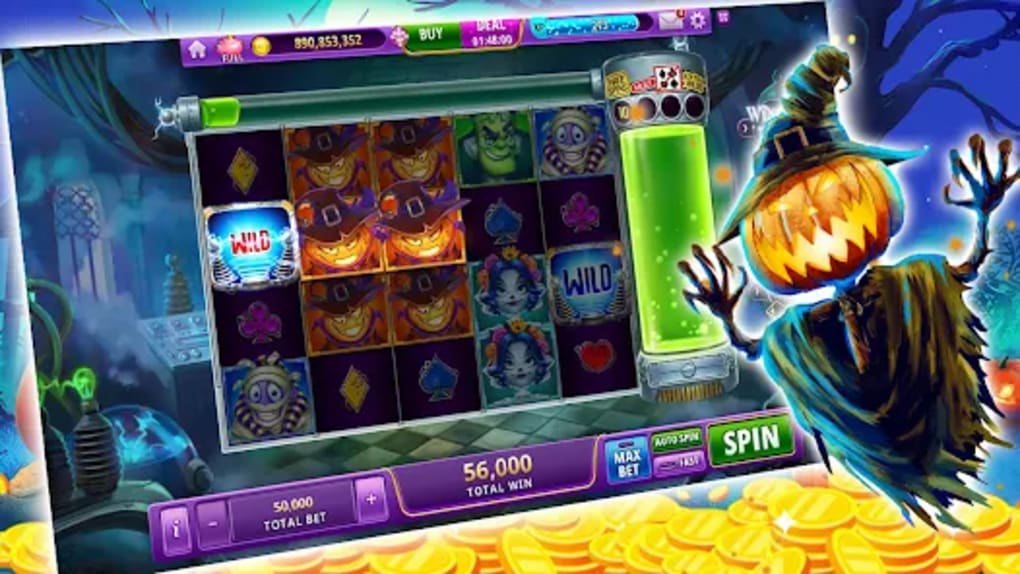
Distinct game genres place distinct demands on mobile infrastructure, and grasping the range allows us to select titles tailored for our environment. Video slots are the most mobile-resilient; each spin is a self-contained data burst of under one second, so even patchy 3G in rural areas can sustain uninterrupted play. Progressive jackpots add a thin ticker update every few seconds, contributing negligible bandwidth. RNG table games — digital blackjack, roulette, baccarat — share a similar data profile but pack multiple decision points into a short window, so the platform preloads all possible branch outcomes to make the graphic response instant without a new server round trip. Live dealer games demand consistent 2.5 Mbps or more for HD, with adaptive quality stepping down under poor signal. At the other extreme, crash games and instant-win scratch cards resolve in a single request-response cycle and are virtually immune to network jitter, making them ideal for underground commutes with predictable connectivity tunnels.
- Slots: very low bandwidth (under 1 Mbps), usable on 3G; each spin is a short data burst.
- RNG table games: minimal bandwidth demands but require low interface latency; pre-loaded outcome trees eliminate round trips.
- Live dealer: 2.5+ Mbps advised; adaptive bitrate downgrades gracefully.
- Crash and scratch card games: single request-response model, near zero sensitivity to network jitter.
Safety Protocols Specific to Mobile Casino Sessions
Mobile casino security reaches beyond TLS encryption. When we use biometric login, our fingerprint or facial geometry never leaves the device; the operating system confirms the match locally and releases a cryptographic token to the casino app for session establishment. Even if the casino's server were compromised, no biometric data would be exposed because it was never stored there. Geolocation verification introduces another layer. UK Gambling Commission guidance requires operators to confirm players are physically in Great Britain, so the mobile platform merges GPS, WiFi triangulation, and cell tower IDs to build a location confidence score. If the score falls below threshold — for instance, because a VPN routes traffic through a foreign exit node while GPS shows a UK position — real-money play is limited until the inconsistency clears. Behind the scenes, device fingerprinting assembles a hash of screen dimensions, GPU renderer string, font sets, and timezone, not to identify individuals but to flag cloned-device fraud within GDPR consent boundaries.
- Biometric data stays on-device; only a cryptographic token is released to the app.
- Geolocation confidence score verifies GPS, WiFi, and cell data to verify UK presence.
- VPN contradictions that mix foreign IP with local coordinates block real-money play.
- Device fingerprinting recognises returning hardware and blocks impossible device profiles.
Network Resilience and Offline State Management
Mobile casino architecture assumes unstable connections, building on state machine architecture that never requires a continuous link. Every action we execute — placing a wager, opening a game, redeeming a bonus — is recorded as a client-side state transition and synced as connectivity enables. For slots, the platform utilizes a spin-finality pattern: a unique transaction ID is generated the moment we tap spin. If the request reaches the server before a timeout, the outcome is decided and our balance modified even if the animation appears seconds later in a tunnel. If the five-second timeout expires with no server acknowledgement, the bet is canceled and the balance returns. Live casino games deal with disconnection differently because dealer time cannot freeze. Bets already taken at the table remain active; the video feed travels over a loss-tolerant UDP stream, while betting state rides a separate, acknowledged TCP channel. Reconnection within a 60-second grace window brings back the UI overlay with outcomes correctly reflected.
- Every action logs a state transition locally and synchronizes when the network comes back.
- Spin-finality: a unique ID ensures bet outcome is determined server-side before animation runs.
- If a spin request expires, the bet is canceled and balance returned — no limbo.
- Live casino bets continue independently of video; video is UDP, betting state is TCP.
- Grace period of 60 seconds permits reconnection before auto-standing in blackjack.
Responsible Gaming Tools on Portable Systems
Since a smartphone eliminates the spatial limitations that a desktop creates, portable devices carry a greater obligation to present player protection tools accessibly. Eurogold Casino locates a responsible gaming icon continuously in the header bar, noticeable during gameplay, not concealed in a post-login settings page. Deposit limits can be set on day-to-day, weekly, and monthly rolling windows; loss limits monitor net position in real time and apply a hard stop when violated. Session time reminders can fire at intervals from 15 minutes upward and utilize the device's haptic engine to deliver a distinct vibration pattern, so the alert activates even when the phone is on silent and face-down. The reality check function exploits the operating system's notification framework, implying it can show even if the casino app is minimized. Integration with the device's Screen Time or Digital Wellbeing APIs, where the player has granted permission, facilitates cross-app awareness. Self-exclusion connects directly to the UK's GAMSTOP scheme via API from the same header menu.
- Persistent header icon grants one-tap access to all RG tools from any screen.
- Configurable deposit limits (daily, weekly, monthly) and real-time loss limits.
- Session time reminders with haptic feedback that operates when on silent.
- Reality checks can appear even if the app is in the background.
- Direct GAMSTOP self-exclusion link from the header, not concealed in fine print.
Payment Management on Mobile Gambling Platforms
Funding through a casino mobile app involves transaction coordination that leverages device-native wallets for fast processing. When we make a deposit on Eurogold Casino, the system first contacts the phone for solutions like Apple Pay or Google Pay. These use cached card data and biometric authentication, processing a deposit in about eight seconds. Conventional card transactions route through 3D Secure 2.0, which on mobile can authorise via the card issuer's app rather than an SMS code, drastically lowering friction. Electronic wallet connections such as PayPal or Skrill use deep-link technology: the platform redirects us to the wallet app, authentication happens there, and we are automatically brought back with a tokenised approval — all generally within 15 seconds. On the payout side, UK regulation requires identity confirmation before a initial withdrawal; the mobile flow allows us scan documents with the phone's camera, with anti-spoofing checks and document verification running in live, reducing a process that once took days to under ten minutes.
- Mobile wallets: Face ID or fingerprint confirms a deposit in under 10 seconds.
- Card deposits: 3D Secure 2.0 can authorise via mobile banking app instead of SMS.
- E-wallets: direct link transfer and tokenised return process within 15 seconds.
- KYC: real-time passport or driving licence scan with liveness detection accelerates first payout.
- Cashout times: e-wallets 6–24 hours; debit card/bank transfer 2–5 days, with colour-coded status trackers.
In what ways Mobile-Optimised Game Design Differs from Desktop
True mobile-first design commences with control layout as opposed to simply cropping landscape games to portrait screens. Touch targets for spin buttons, bet adjusters, and autoplay toggles must span at least 48×48 device-independent pixels to prevent mis-taps. At Eurogold Casino, primary action buttons sit in the lower third of the screen — the natural thumb zone for one-handed use — while paytable information and responsible gambling tools fill the upper corners that demand a deliberate reach. Game pacing also shifts: because median mobile session lengths last 8–14 minutes compared with 20–35 minutes on desktop, slot bonus features might trigger slightly earlier within the published RTP band, ensuring the session arc feels complete. Live dealer studios additionally adapt by offering vertical video feeds framed specifically for portrait mode, alongside adaptive bitrate streaming that switches between 720p, 540p, and lower resolutions as your connection fluctuates.
- Touch targets fulfill accessibility standards (minimum 48×48 px) to avoid accidental bets.
- Primary controls live in the lower third for natural thumb reach.
- Mobile sessions frequently receive condensed bonus frequency while staying inside certified RTP ranges.
- Live dealer streams employ adaptive bitrate encoding and, in some cases, portrait-first camera angles.
The Technical Architecture Powering Mobile Casino Platforms
Mobile casino gaming operates on a distributed client-server model where the heavy computation resides on remote servers, not your phone. When we press a spin button on Eurogold Casino, the device sends a lightweight encrypted request packet — typically under 5 kilobytes — to a regulated server cluster. The server executes the certified RNG, determines the outcome, verifies it against the game's return-to-player parameters, and delivers the result. Our phone simply displays an animation that matches the already-determined outcome. This architecture eliminates device-level manipulation, lets older smartphones play graphically rich games, and preserves bet state even during momentary connections drops. The transport layer often employs WebSocket, which maintains a persistent bidirectional connection open, avoiding the overhead of repeatedly opening HTTP sessions for each interaction and lowering the perceived latency of every spin and decision.
- Spin request packets are under 5 KB and protected in transit.
- Server-side RNG execution guarantees outcome cannot be altered by the device.
- HTML5 Canvas and WebGL manage rendering; adaptive asset delivery adjusts texture quality to your screen resolution and GPU.
- WebSocket persistence bypasses the latency cost of repeated HTTP handshakes.
- If your connection drops mid-spin, the bet state is protected on the server.
Offers and Promotions in the Portable Context
Mobile bonus systems progressively leverage event-driven activations rather than buried account pages. At Eurogold Casino, a player who has enabled push notifications could receive an alert that a 50% deposit match is available for three hours, with a deep link opening the app directly to the deposit screen and auto-filling the bonus code. This close feedback loop means wagering requirement calculation becomes precise: a progress bar displaying remaining required playthrough is exposed right in the game HUD. The instant nature also calls for responsible design. If a deposit-and-bonus-claim sequence occurs after a push notification within a configurable threshold, the system surfaces a prominent reality-check dialog showing session duration and net position before further play. Game contribution percentages — typically 100% for slots, 20% for table games, 0% for certain high-RTP video poker — are displayed as small percentage badges next to eligible titles in the mobile lobby, and an in-game tracker refreshes in real time.
- Push notifications send time-limited offers with deep links to the deposit screen.
- Wagering progress appears as an in-game HUD bar rather than on a separate page.
- Cool-off triggers show a reality check after rapid bonus claim following a push alert.
- Contribution percentages are displayed as badges on game thumbnails, keeping rules visible without leaving the lobby.
Dedicated Apps Versus Progressive Web Apps
Deciding between a specialised casino app and browser-based play involves trade-offs that affect performance, space, and notifications. A native iOS or Android app can use native hardware acceleration, biometric authentication APIs, and notification channels, offering cold-start times often under two seconds and customised notifications. The cost is storage space: a feature-rich app storing over 1,000 games may take up 150–300 MB, and licensing updates can require compulsory updates before login. Browser access through a Progressive Web App eliminates that storage requirement and app store commissions, which sometimes yields exclusive web bonuses. Service workers cache essential parts of the interface locally, so repeat visits open almost as quickly as a dedicated app even on erratic 4G. From a security perspective, dedicated apps can bind security tokens to the device's trusted environment, while browser sessions depend on TLS 1.3 and HttpOnly flags — both are robust when implemented correctly on a UKGC-licensed platform.
- Dedicated apps: faster initial load, face login, push alerts, but need memory and regular updates.
- Browser-based PWAs: no install required, lighter footprint, potential browser-only bonuses; first load a bit slower.
- Both platform types are subject to compulsory penetration tests for UK regulatory compliance.
- Playing frequency often dictates selection: regular quick sessions are ideal for dedicated apps; sporadic extended play works with browser-based play.
Frequently Asked Questions
Must I install an app for mobile gaming?
No download is required to access a full mobile casino environment. The platform functions through a responsive web interface that functions natively in Safari, Chrome, or any modern mobile browser. All game sections, payment functions, and account management render seamlessly through HTML5 technology. Some players favor a specialized app when available for quicker biometric login and push notifications, but the browser experience delivers complete feature parity without taking up device storage space. The decision hinges fully on your own usage pattern and notification settings.
Is mobile casino gaming safe and fair?
Yes, as long as the platform has a active UK Gambling Commission operating licence, which mandates independent RNG auditing, regular penetration testing, and protected player fund accounts. Mobile-specific security layers include TLS 1.3 encryption for all data in transit, biometric-secured local credential storage, and geolocation verification to ensure you are within Great Britain. Game fairness is guaranteed server-side by approved random number generators that cannot be altered by device type or connection quality. Always check licence details in the platform's footer before adding funds.
What internet speed do I need for smooth mobile play?
Slot games and RNG table games need minimal bandwidth — a stable 1 Mbps connection is enough, serving most UK 4G and 5G scenarios. Live dealer games need consistent bandwidth of about 2.5 Mbps for HD streams, with adaptive quality lowering resolution when connections fluctuate. If you plan to play live casino on train journeys, check a single round to gauge performance through known blackout zones. The platform maintains your bet state during brief drops, so you shall not lose your wager.
Am I able to claim the same bonuses on mobile as on desktop?
Without a doubt. Welcome packages, reload offers, free spins, and cashback promotions are account-level entitlements, not device-specific. In fact, some platforms provide mobile-exclusive bonuses that are only claimable when depositing through a phone or tablet as an incentive to explore the mobile interface. The wagering requirement tracker and game contribution percentages show identically across devices. Always check the specific terms for minimum deposit thresholds and eligible payment methods, as these conditions apply uniformly regardless of how you access the platform.
In what way do withdrawals work on a mobile casino?
Withdrawals are processed through the very cashier section, with method selection normally matching your deposit method due to anti-money laundering rules. UK regulation requires identity verification before the first withdrawal; mobile expedites this by letting you photograph documents with your phone's camera for real-time submission. E-wallet withdrawals like PayPal or Skrill usually deliver within 6–24 hours, while debit card returns and bank transfers take 2–5 banking days. The transaction history tracker updates in real time so you continually know your status.
Will playing on mobile drain my phone battery quickly?
Modern HTML5 casino games are markedly more energy-efficient than native 3D gaming apps. A typical slot session consuming 30 minutes of continuous play will drain approximately 8–12% of battery on a mid-range phone, on par with streaming standard-definition video. Live dealer streams are the most power-intensive category because they combine video decoding with real-time UI rendering. Reducing screen brightness and closing background apps boosts longevity. The platform's adaptive asset delivery also helps by serving lighter graphical assets to older or less powerful devices.
What occurs if my connection drops during a live dealer round?
Any bet already approved by the table system remains active and resolves according to the round's outcome, irrespective of whether your video feed maintains connection. In roulette, a bet on red stands even if the stream disconnects before the ball lands. In blackjack, the system could stand your hand after a grace period of roughly 60 seconds if you cannot reconnect to make a decision. When you reconnect, the video and UI overlay reload, correctly displaying any outcomes that occurred while you were disconnected.